From Analytics to Strategy: Leveraging Ecommerce Analytics to Strengthen Your Multi-Channel Strategy
Ecommerce analytics serve as a cornerstone for companies seeking to enhance their multi-channel strategies. By turning raw data into practical findings, organizations can improve customer interactions and streamline marketing strategies. Essential metrics expose patterns in customer activity, directing data-driven choices. However, the task of successfully utilizing this data can be challenging. Understanding the nuances of these analytics can expose considerable opportunities for brands maneuvering a competitive landscape. What measures should be implemented to capitalize on this potential?
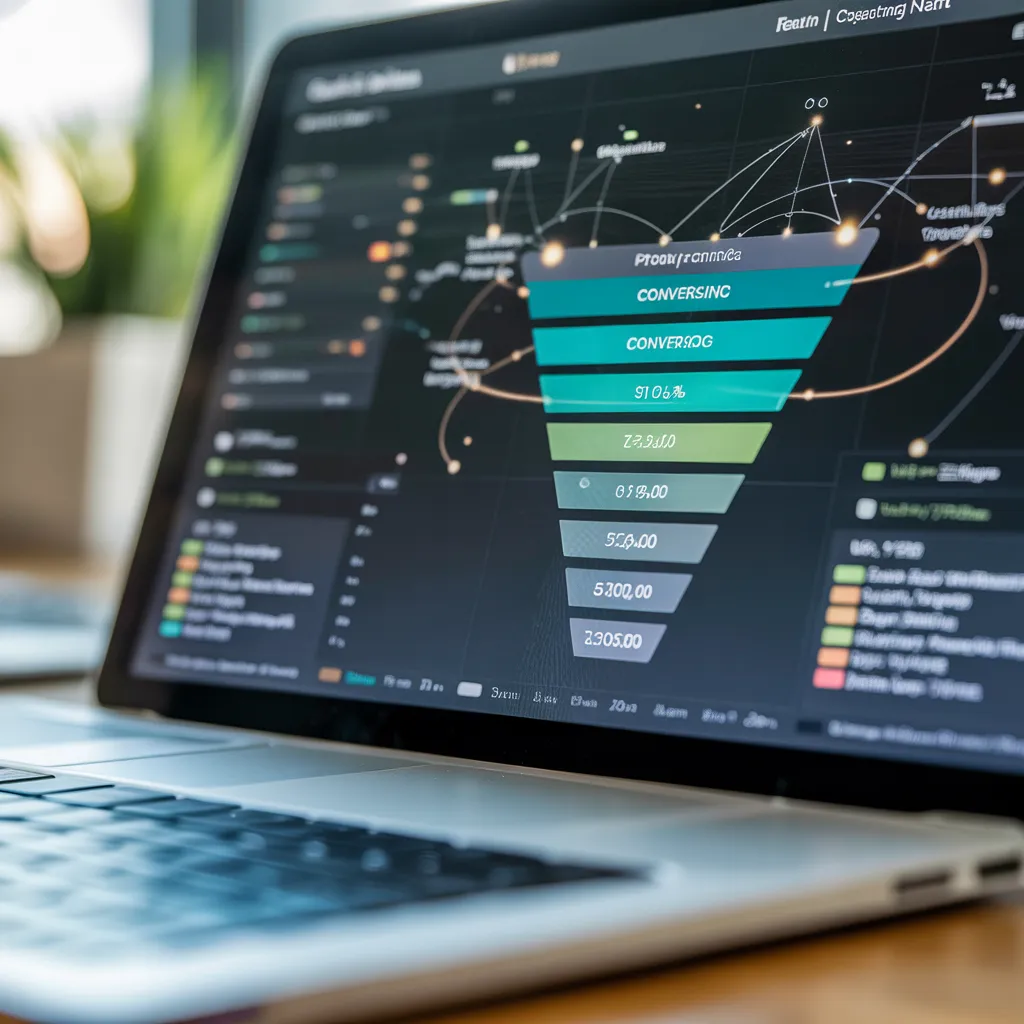
Exploring Ecommerce Analytics: Why It Is Important
In today's highly competitive digital environment, comprehending ecommerce analytics is vital for companies aiming to improve their results. Ecommerce analytics involves gathering and examining data connected to online shopping patterns, sales movements, and customer engagements across multiple platforms. By leveraging these insights, businesses can identify what drives customer engagement and conversion rates.
Furthermore, ecommerce analytics empowers businesses to measure the performance of their promotional strategies, inventory oversight, and overall customer experience. Such understanding allows companies to form data-driven decisions, tailor their offerings, and boost customer satisfaction. As customers continue to engage through multiple channels, understanding the intricacies of their behaviors is vital for continued growth. In essence, a solid command of ecommerce analytics furnishes businesses with the capabilities required to adjust to market shifts and improve their competitive edge in a fast-moving marketplace.
Essential Ecommerce Data Metrics for Cross-Channel Success
What metrics are essential for maneuvering the complexities of a multi-channel ecommerce strategy? Key performance indicators (KPIs) such as conversion rate, customer acquisition cost, and average order value serve as foundational metrics. Conversion rate gauges the share of visitors who successfully make a purchase, emphasizing the impact of marketing campaigns across channels. Customer acquisition cost represents the expenditure required to attract new customers, allowing businesses to assess their marketing strategies' effectiveness. Average order value provides insights into spending behavior, guiding pricing and promotional strategies.
In addition, metrics such as return on advertising spend (ROAS) and customer lifetime value (CLV) provide more comprehensive visibility into sustained customer engagement and overall profitability. Tracking these indicators enables ecommerce businesses to identify successful channels, optimize resource allocation, and enhance overall performance. With a strong emphasis on these vital analytics, organizations can develop strategic insights that support multi-channel achievement.
How to Collect Data Across Various Platforms
Comprehensive data acquisition across various platforms is vital for improving a multi-channel ecommerce strategy. Companies can utilize a range of tools to collect insights from various sources, including social media, websites, and email campaigns. Utilizing analytics software like tools like Google Analytics facilitates the tracking of user interactions and conversion rates across channels.
Integrating CRM solutions aids in consolidating user data, providing a complete overview of customer habits and preferences. Additionally, employing APIs can facilitate smooth data exchange across platforms, ensuring instant updates and actionable insights.
Surveys and feedback forms can also be valuable for collecting qualitative data directly from customers. By employing these techniques, businesses can establish a powerful data ecosystem that improves decision-making processes. This thorough approach to data collection not only deepens understanding of customer journeys but also establishes the foundation for future personalized experiences.
Leveraging Customer Behavior Data to Enhance Shopping Experiences
Within the realm of ecommerce, utilizing customer behavioral insights can greatly enhance the shopping experience. By introducing personalized product suggestions, businesses can direct customers to products that match their interests. Additionally, dynamic pricing strategies enable real-time modifications that mirror personal purchasing behavior, maximizing both engagement and sales.
Customized Product Recommendations
Customized product recommendations greatly enhance the online shopping experience by harnessing consumer behavioral insights. By examining previous buying history, browsing history, and merchandise evaluations, online retail platforms can generate customized proposals that appeal to individual preferences. This precise method not only boosts shopper contentment but also fosters brand loyalty, as shoppers feel understood and valued. Additionally, employing advanced algorithms allows companies to improve their recommendations over time, keeping pace with shifting market demands and behaviors. As a result, personalized suggestions generate increased conversion rates and mean purchase totals, consequently leading to enhanced profitability. By prioritizing personalized experiences, sellers can powerfully set themselves apart in a challenging retail landscape. This method illustrates how analytical findings can revolutionize the purchasing experience into a deeply personalized and compelling experience.
Dynamic Pricing Techniques
Dynamic pricing models transform how e-commerce businesses respond to customer behavior, enabling real-time adjustments based on demand, competition, and individual purchasing patterns. By analyzing customer data, businesses can identify trends and preferences, customizing pricing to improve the buying journey. For instance, prices may fluctuate based on the time of day, seasonality, or consumer demographics, effectively enticing potential buyers. This approach not only maximizes revenue but also improves customer satisfaction by providing tailored offers. Additionally, integrating dynamic pricing with analytics cultivates a strategic benefit, as companies can swiftly adapt to market changes. Ultimately, leveraging customer behavior data for pricing decisions converts routine purchases into tailored encounters, promoting retention and sustained expansion in a omnichannel landscape.
How to Utilize Data to Strengthen Marketing Strategies
Effective marketing strategies rely on a thorough understanding of audience segmentation analysis and campaign effectiveness metrics. By utilizing data-driven insights, companies can customize their marketing initiatives to appeal to distinct customer demographics. This targeted approach not only strengthens consumer interaction but also maximizes overall marketing impact.
Target Audience Analysis
Recognizing the core audience is crucial for enhancing marketing strategies in a multi-platform ecommerce landscape. By harnessing data-driven insights, businesses can identify audience demographic patterns, consumer preferences, and consumer purchasing habits. Segmenting the consumer base based on such findings allows for tailored marketing campaigns that connect more powerfully. For instance, evaluating customer interactions across diverse channels can highlight which channels produce the greatest engagement, guiding resource allocation. Furthermore, leveraging psychographic insights empowers brands to craft messages that resonate with their target audience's core values and lifestyle. Ongoing analysis of market data ensures that marketing strategies stay current and adaptive to changing consumer trends. Fundamentally, a comprehensive audience analysis increases the effectiveness of promotional activities, boosting customer acquisition and retention outcomes.
Campaign Analytics Metrics
Analyzing campaign analytics offers valuable insights that can strengthen check this advertising efforts in a multichannel digital marketplace. By tracking essential metrics such as conversion percentages, return on advertising investment (ROAS), and customer engagement, businesses can identify which platforms produce the best overall returns. Reviewing data points including click-through rates (CTR) and typical purchase amount (AOV) helps advertisers comprehend consumer behavior and preferences. Moreover, categorizing data by demographic or marketing channel allows for targeted adjustments in campaigns, guaranteeing optimal resource distribution. Regularly reviewing these performance measures fosters a framework for evidence-based strategies, empowering campaign managers to adjust their approaches dynamically. In conclusion, leveraging campaign performance metrics is critical for enhancing promotional performance and achieving sustained growth in a competitive ecommerce environment.
Developing a Fluid Customer Journey Through Insights
A carefully designed customer journey can considerably boost a brand's ability to attract and keep customers across various platforms. By taking advantage of ecommerce analytics, companies can gather meaningful intelligence into customer habits and inclinations. This insight allows for the identification of key touchpoints where customers engage with the organization, enabling a uniquely individualized experience.
Analyzing the customer journey entails examining data from diverse sources, such as website interactions, social media interactions, and email communications. These insights can help brands improve their messaging and personalize outreach to specific requirements, ensuring a cohesive experience. Furthermore, monitoring client responses and pain points opens doors for sustained growth.
In the end, a frictionless customer journey not only builds loyalty but also boosts conversion rates. By harnessing analytics purposefully, brands can craft a unified approach that engages customers, prompting them to engage across multiple platforms while strengthening their connection to the brand.
Ecommerce Analytics Achievements From Top Brands
Success in ecommerce analytics is commonly highlighted through the remarkable transformations of top brands. Brands such as Amazon and Nike illustrate how data-focused methods can strengthen customer engagement and increase sales. Amazon utilizes advanced algorithms to evaluate purchasing patterns, allowing for customized recommendations that significantly increase overall conversion rates.
Nike, in contrast utilizes data analytics to optimize its multi-channel presence. By merging online and in-store data, Nike has streamlined inventory control and personalized marketing campaigns, resulting in increased customer loyalty and revenue growth.
In the same way, the beauty retail giant Sephora leverages advanced analytics to strengthen its customer journey through personalized promotions and loyalty initiatives, generating stronger retention outcomes. Such success stories illustrate the remarkable influence that ecommerce analytics provides, empowering brands to form strategic decisions and optimize their tactics successfully. As market dynamics shift, the ability to interpret data will continue to be a decisive element for success in the competitive ecommerce arena.
Questions We Often Hear
How Frequently Should I Check My Ecommerce Analytics Data?
Periodically assessing ecommerce analytics data every week allows businesses to spot trends, refine strategies, and make data-driven decisions. Comprehensive monthly evaluations continue to deepen comprehension of and responsiveness to market trends.
What Tools Are Best for Tracking Multi-Channel Performance?
HubSpot, SEMrush, and Google Analytics are outstanding platforms for measuring cross-channel performance. They provide detailed insights, enabling users to analyze data across various platforms, improve campaign strategies, and boost overall marketing performance for better decision-making.
Can I Integrate Analytics With My Existing CRM System?
Yes, integrating analytics with an existing CRM system is possible. A wide range of CRM platforms include built-in tools or compatible plugins designed to support data synchronization, empowering businesses to harness insights for greater customer engagement and more informed decision-making.
How Do I Ensure Data Privacy in My Analytics Approach?
To protect data privacy in analytics, businesses should implement strong encryption, carry out periodic audits, and comply with standards like data protection regulations. Educating staff on information handling procedures helps secure confidential data while upholding client confidence.
Which Common Mistakes Should I Avoid When Using Ecommerce Analytics?
Common mistakes in ecommerce analytics include overlooking data precision, failing to set clear objectives, ignoring audience segmentation, ignoring mobile metrics, and not regularly reviewing insights. These errors can impede sound decision-making and strategic planning.